Simple Activities To Improve Fine Motor Skills At Home
The good news is that development does not require complicated lessons. A kitchen table, a few safe household items and ten playful minutes can create useful practice. Keep each task suitable for your child’s age, supervise closely and stop before tired hands become frustrated. At My Toy Shop Singapore, we believe progress grows through enjoyable repetition, choice and encouragement rather than pressure.
7 Hands-On Ways To Improve Fine Motor Skills
-
Squeeze, roll and shape dough.
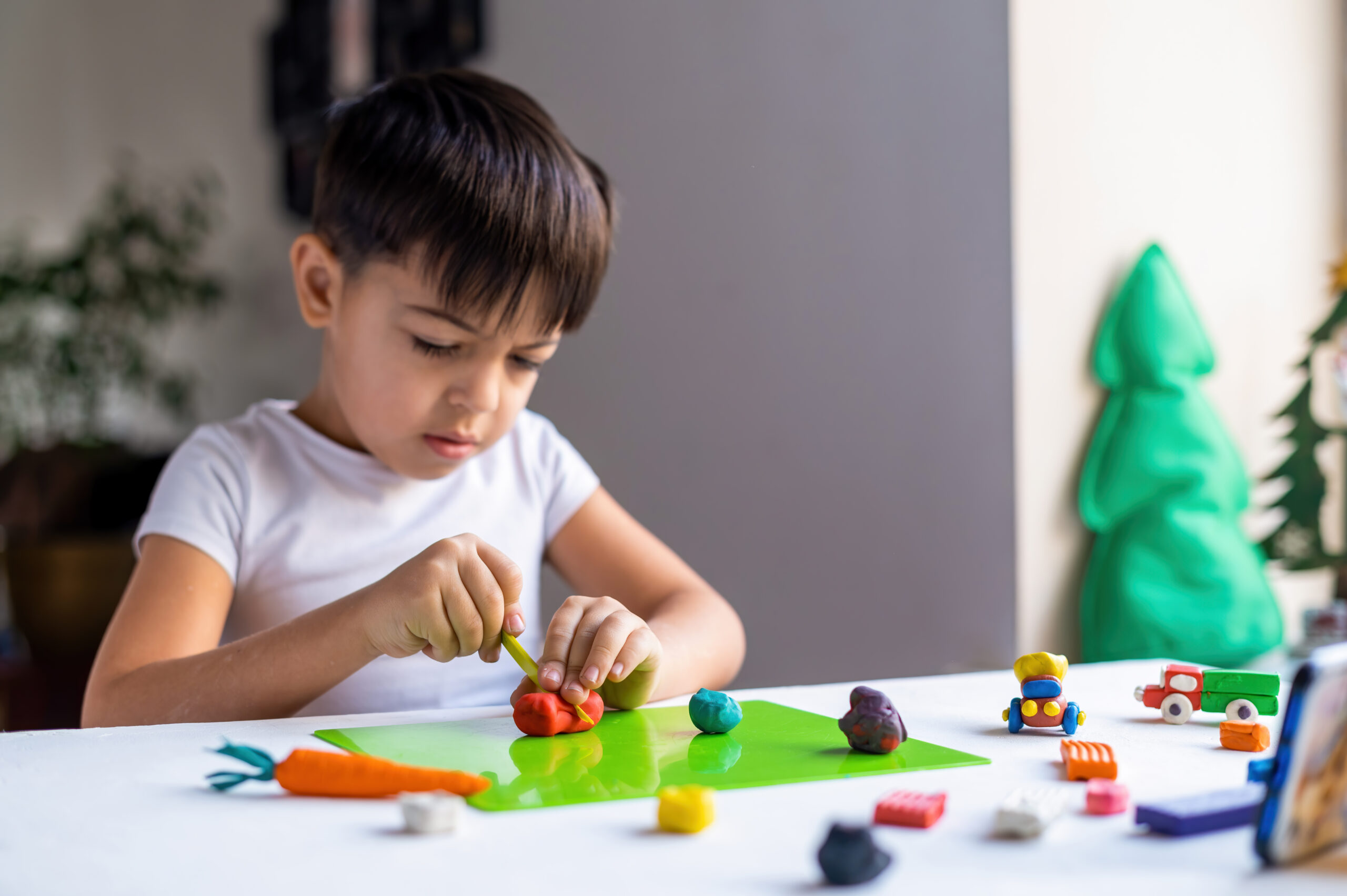
Give your youngster play dough and invite them to make balls, snakes, pancakes or pretend food. Squeezing builds palm strength, while pinching and rolling exercises individual fingers. Add child-safe cutters, a small rolling pin or blunt modelling tools for extra variety. Hide a large bead inside the dough and ask them to find it, provided it cannot become a choking hazard. Play-Doh sets available from our shop can turn this exercise into a bakery, sweet counter or make-believe kitchen, adding stories to the hand work.
-
Thread a colourful necklace.
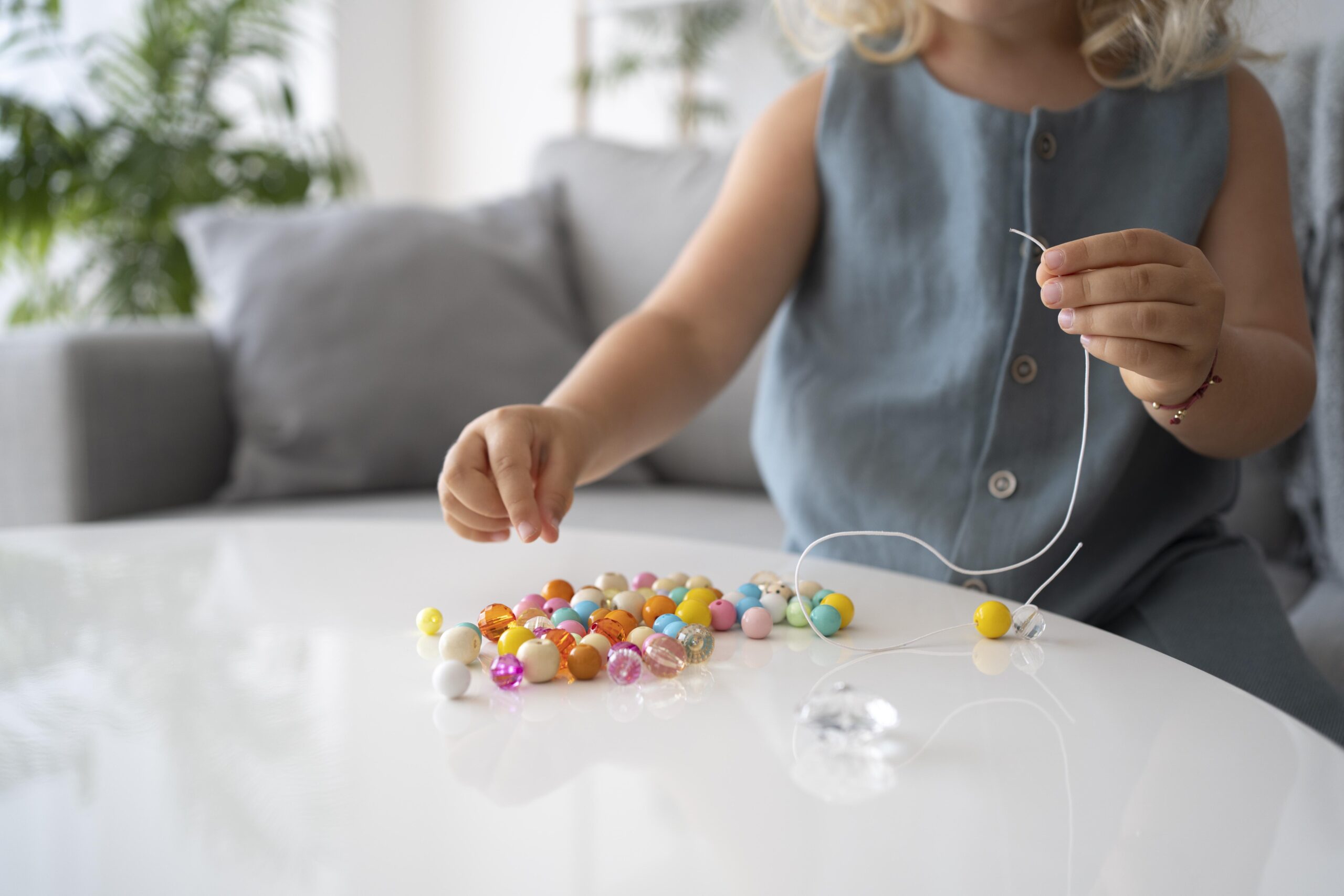
Cut drinking straws into wide pieces, then thread them onto a shoelace with a firm end. Older preschoolers can try large beads, pasta tubes or simple lacing cards. Begin with bigger openings and a short cord, then increase the challenge gradually. This activity develops a pincer grip, visual tracking and two-handed coordination because one hand holds the lace while the other guides each piece. Ask for a colour pattern, such as red-blue-red-blue, to add early sequencing without making the game feel like a lesson.
-
Build, pull apart and rebuild.
Interlocking bricks encourage children to grasp, press, align and separate pieces with control. Larger blocks suit younger builders because they are easier to handle. A LEGO DUPLO Brick Box, or My First Fun Puzzle can support open-ended construction, matching and imaginative storytelling. LEGO DUPLO for motor skills works best when adults encourage exploration rather than stepping in too quickly. Try prompts such as, “Can you make a tall tower?” or “Which brick fits here?” Then allow experimentation, even when the first idea tumbles down.
-
Use Everyday Utensils for Fine Motor Play.
Place pom-poms, bottle tops or cotton balls in one bowl and let your youngster transfer them into another using kitchen tongs, a spoon or child-friendly tweezers. Sorting by colour or size adds a thinking challenge. Start with large objects and wide containers before moving to smaller pieces. This simple set-up strengthens the thumb-and-finger action needed for pencils, cutlery and fasteners. This activity reflects how STEM toys for hand-eye coordination use picking up, positioning and balancing to build practical skills.
-
Create a sticker or collage picture.
Peeling stickers from a sheet demands careful fingertip control. Draw a road, garden or underwater scene and invite your youngster to add cars, flowers or fish. For a collage, let them tear coloured paper into pieces, spread glue with a brush and position each scrap. Tearing uses both hands in different ways, while placing materials builds accuracy. Large stickers are best for beginners. Once confidence improves, introduce smaller shapes, curved outlines or a simple target area that makes the task more precise.
-
Make bath time a hand workout.
Provide squeezable sponges, cups, droppers, turkey basters or spray bottles that release a gentle mist. Ask your kids to fill, squeeze, pour and aim at a floating target. They can also scrub plastic animals with a toothbrush, carefully cleaning around legs, tails and textured areas. These sensory play ideas for kids combine touch, pressure and movement. Always supervise water activities closely, clear away any remaining water and make sure not a single item has tiny or pointed parts.
-
Practise pegs, buttons and zips.
Clip clothes pegs around the edge of a cardboard box, colour wheel or pretend sunshine. Pressing each peg strengthens fingers and helps separate thumb movement from the rest of the hand. Daily routines offer another useful route: opening a lunchbox, pulling up a zip, turning a tap or fastening a large button. These practical challenges are valuable preschool prep activities in Singapore because they build independence alongside readiness for classroom tasks.
Conclusion:
Fine motor development happens through many small attempts, not one perfect activity. Choose two or three ideas that match your kids’ interests, repeat them across the week and adjust the difficulty as confidence grows. Celebrate persistence, allow harmless mistakes and remember that every learner develops at an individual pace. Speak with a healthcare professional if you have ongoing concerns about your child’s movement, strength or ability to manage daily tasks.
Explore LEGO DUPLO, Play-Doh, puzzles, building sets and creative activities at My Toy Shop online or drop by at Jelita Mall, where our team can help you find an engaging, age-appropriate choice for your little learner.
Tags
- Improve Fine Motor Skills, LEGO DUPLO