How Family Game Nights Help Build Stronger Relationships
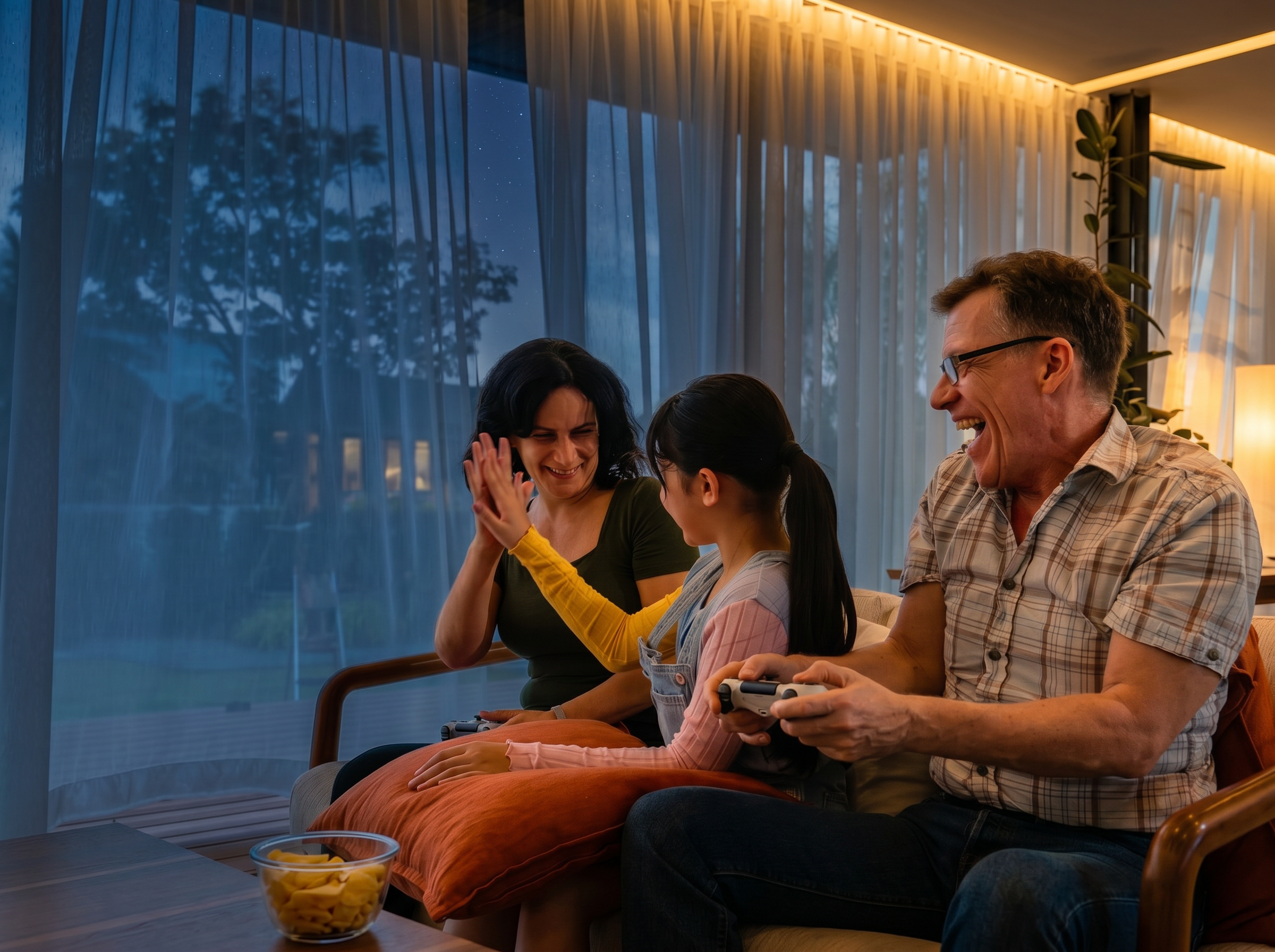
Play is more than entertainment. It gives children and adults a safe, natural way to connect. A weekly activity does not need to be long or perfectly organised. Even 30 minutes around the table can become a meaningful ritual when everyone feels included.
Play, Laugh, Connect: How Game Nights Strengthen Family Bonds
1. They bring everyone into that one moment.
Daily life can feel like a relay race. Adults are answering messages, children are watching videos, and everyone is busy with something different. Sitting around one table changes that. People look at each other, notice reactions and respond straight away. Even a quick round creates focused time without a screen taking over. Put devices aside and let the fun begin. The goal is not to fill every second with conversation. It is simply to be present together.
2. They make conversations feel easy.
Direct questions can sometimes lead to one-word replies, especially after a long school day. Play takes away some of that pressure. A silly clue, clever move or unexpected win often starts a conversation naturally. Someone may share a school story, talk about a friend or explain what made them laugh earlier. Word-based choices such as “Articulate’ can keep the energy high while encouraging clear speech and quick thinking. The talk feels casual, which can make honest sharing much easier.
3. They teach teamwork without a lecture.
Shared activities help children practise listening, waiting, explaining and solving small problems. Adults can model these skills by staying calm, hearing different ideas and showing respect when opinions do not match. When you are looking to teach your children the importance and fun of teamwork, you must try cooperative activities and puzzles for game nights with one shared goal. “SmartGames Tower Stacks”, for example, offers logic tasks that can be explored together. Instead of trying to beat one another, everyone can celebrate finding the answer as a team.
4. They make winning and losing feel manageable.
Nobody enjoys losing, and some young players find it especially hard. A friendly round offers a safe place to practise handling disappointment. Adults can help by praising effort, keeping reactions calm and showing that a result is not a measure of anyone’s worth. Winners can learn to celebrate kindly, while others discover that they can try again. Over time, these small moments build patience, self-control and resilience. They also teach an important lesson: having fun matters more than finishing first.
5. They help hidden strengths shine.
Play can reveal talents that are easy to miss during normal routines. A quiet child may be a brilliant planner. A younger sibling may spot patterns before everyone else. Your spouse might have an amazing memory. Trying different board games for kids and parents gives each person a chance to stand out. “Blokus Junior” can support visual planning, while “Ticket to Ride First Journey” encourages route-building and simple strategy. Noticing these strengths can make children feel proud and help the whole family understand one another better.
6. They turn ordinary evenings into traditions.
The best memories often come from small, repeated habits. It could be Friday snacks, a homemade winner’s badge or letting a different person choose each week. These little details create a sense of belonging. There is no need to hold a session every Friday without fail. Fortnightly or monthly can work too, as long as it feels enjoyable rather than forced.
7. They support learning while everyone has fun.
Many tabletop activities build useful skills without feeling like schoolwork. Children may count spaces, remember clues, plan ahead, test ideas or adjust their approach. Adults can support this by asking simple questions such as, “What could you try next?” rather than giving the answer. Choose something suitable for the youngest participant and stop before anyone becomes tired or cross. When the mood stays light, learning happens naturally. The child is focused on the challenge, not on being taught.
8. They help adults understand children better.
The way a child plays can offer useful clues about how they think and feel. One may rush through every turn, while another may worry about making the wrong choice. Someone else may become upset when plans change. These moments can give significant insights. Adults can ask what felt easy, what was tricky and what they might do differently next time. A curious, gentle response can build trust and help kids and even teenagers talk about emotions more clearly.
Conclusion:
Stronger relationships are rarely built through one grand gesture. They grow through repeated moments of attention and care. A simple game night creates a space where helping different generations can communicate on equal ground.
At My Toy Shop, we believe the best choice is one your household will genuinely enjoy returning to. Explore our range of board games, card activities and logic challenges, from quick classics to thoughtful strategy titles, then choose an option suited to your children’s ages and interests.
Tags
- Puzzle for game night