How To Choose Toys That Grow With Your Child Instead Of Getting Outgrown Too Fast
A toy that grows with your child is one that works across different ages, skills, and play styles. Blocks are a great example: babies can grip and stack them, toddlers can build towers, and older kids can turn them into houses, roads, castles, or entire pretend worlds. Magna tiles work in a similar way, giving toddlers easy-to-grip magnetic pieces they can connect, arrange, and use to create their own imaginative builds. Open-ended toys let children decide what happens next and keep coming back with new ideas. My Toy Shop offers a wide range of toys with lasting play value, helping parents reduce clutter while making playtime more meaningful.
More Play, Less Clutter: A Guide To Picking Toys Your Child Won’t Get Bored Of Too Quickly:
-
Choose toys with more than one way to play.
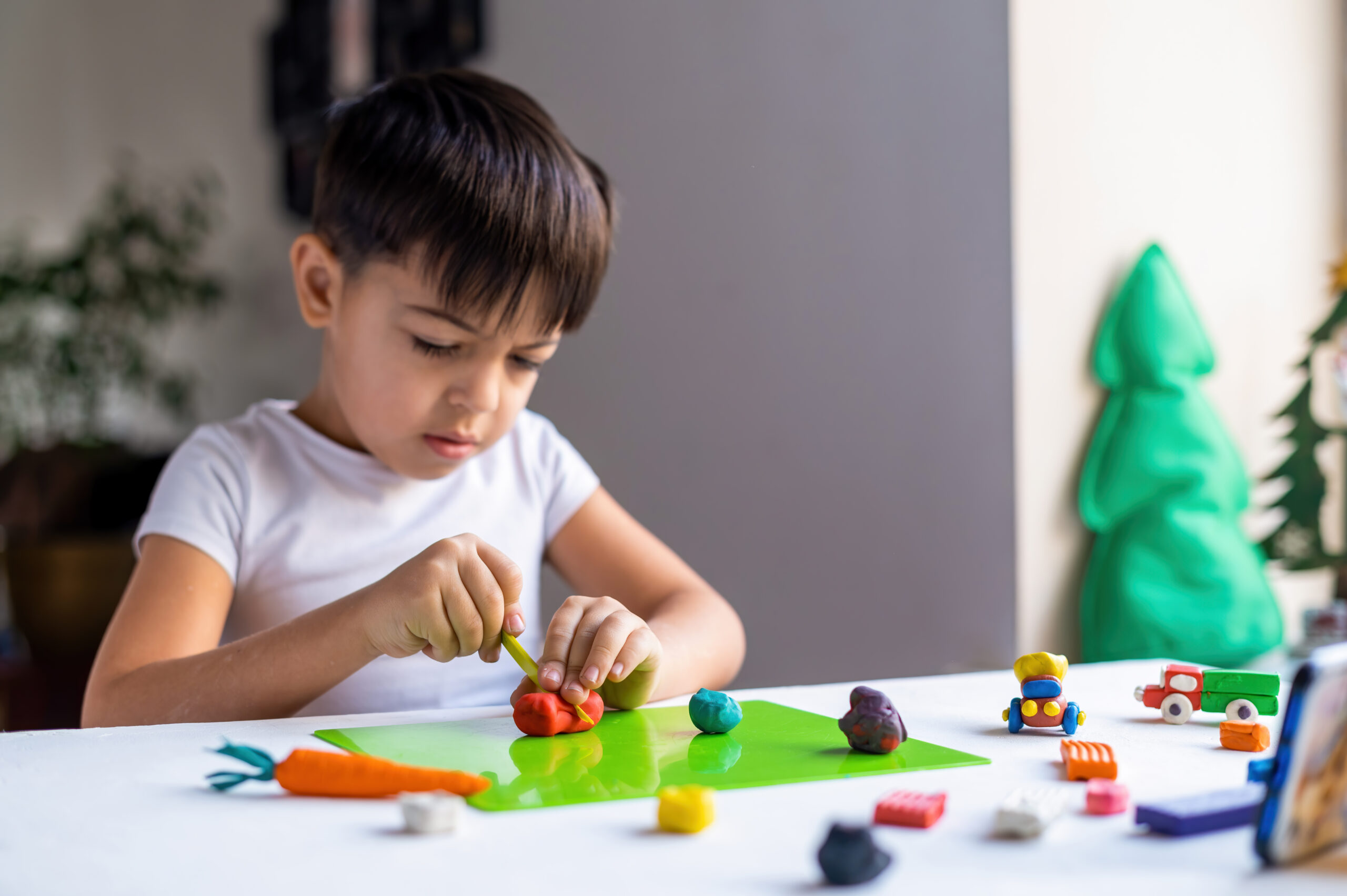
Toys that enable only one type of play can be outgrown sooner. Look for toys that allow your child to build, pretend, sort, stack, arrange, invent, or create their own rules. These toys stay interesting because your child can keep finding new ways to use them as their imagination grows.
-
Look for toys that match your child’s current stage, but are not too limited.
The best toys should feel suitable now, but not too easy after a few weeks. For example, a toddler may begin by stacking blocks, then later use the same blocks to build houses, roads, towers, or pretend shops. A good toy gives your child something they can enjoy today while still offering room to explore tomorrow.
-
Prioritise open-ended toys over toys with fixed outcomes.
Open-ended toys do not tell children exactly what to do. Instead, they invite children to make choices. LEGO as well as CADA building sets, pretend play items, art materials, vehicles, animal figures, and dress-up pieces can all support different kinds of play. This keeps children engaged for longer because the play changes along with their ideas.
-
Pick toys that support different skills at once.
A pretend kitchen, for example, can support language, sharing, counting, imagination, and social skills. Building toys can support hand-eye coordination, problem-solving, patience, and creativity. When a toy builds several skills, it is more likely to stay useful and engaging for longer.
-
Think beyond gender labels.
Instead of separating choices into toys for boys or toys for girls, focus on what your child enjoys doing. Some children love building, others love storytelling, art, puzzles, vehicles, dolls, animals, or pretend play. The most useful toys are the ones that match your child’s interests and encourage them to try new things.
-
Choose toys that can become more challenging over time.
Some toys naturally grow with your child because they can be used at different difficulty levels. Simple sorting toys may later become counting tools. Blocks can become more complex structures. Board games can start with basic rules and later include strategy. Puzzle games are a good example because children can begin with simple shapes or large pieces, then move on to harder designs as their confidence improves.
-
Look for toys that work well with other toys.
Toys that work well with your child’s existing favourites often become part of more play ideas. Blocks can turn into roads for toy cars or homes for animals. With art supplies, kids can create pretend menus, shop signs, tickets, or maps. LEGO toys can be used to build scenes, vehicles, homes, and story settings that connect with other play themes.
-
Consider whether siblings or friends can join in.
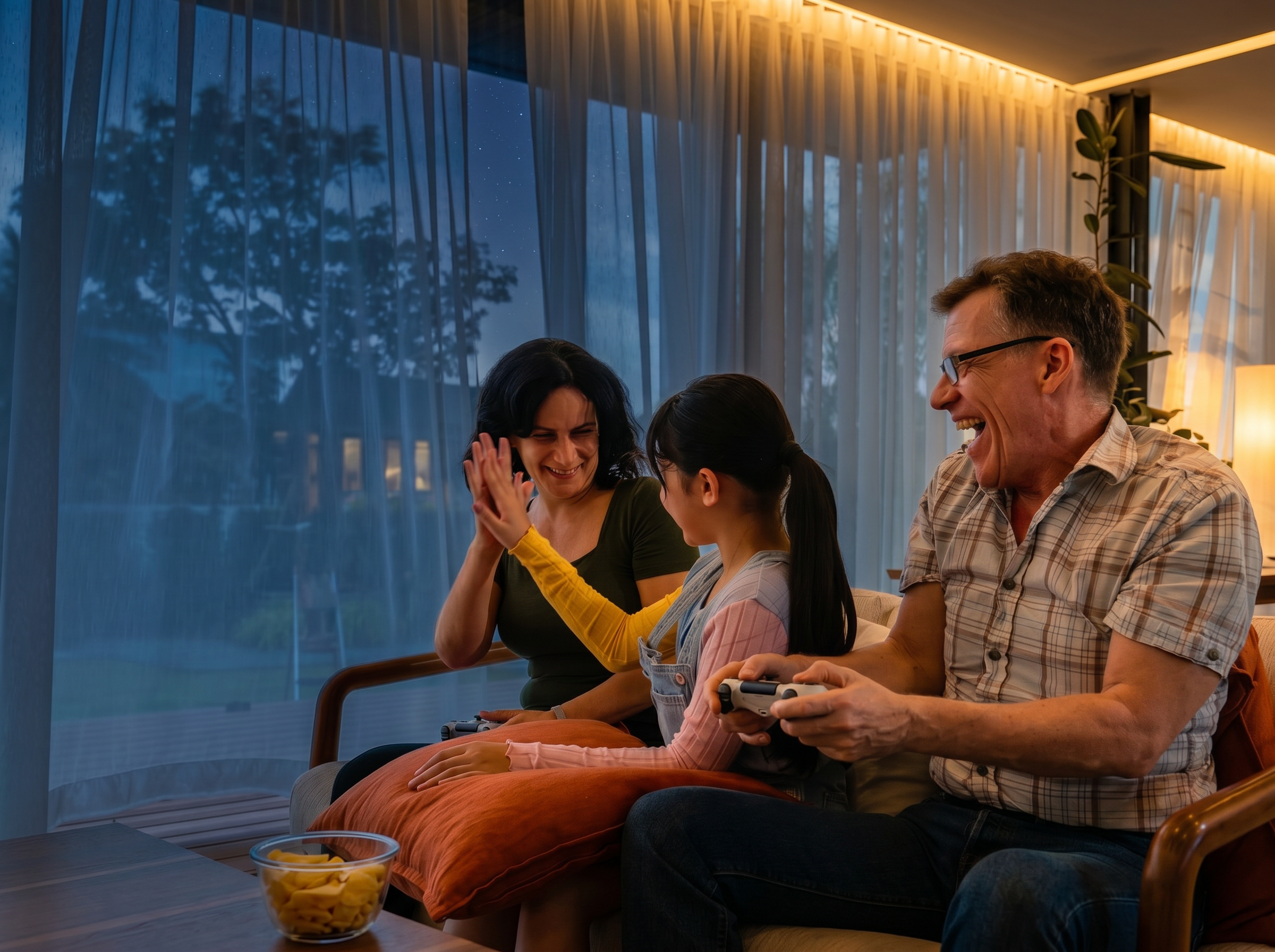
Toys that support group play tend to stay useful longer. Board games, building sets, pretend play props, and craft activities can be enjoyed with siblings, cousins, or friends. This makes sure toys are used in different ways and helps children practise sharing, teamwork, and communication.
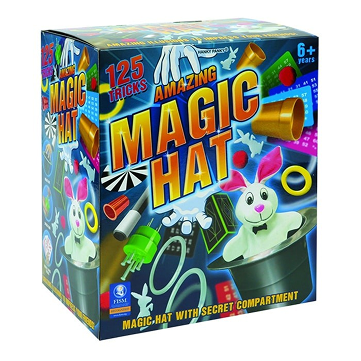
If you have been thinking about buying that trending toy your child keeps asking for, it can definitely feel exciting at the moment. However, trend-based toys may not always stay interesting for long, especially once your child moves on from a popular character or show.
A better approach is to balance them with open-ended favourites like blocks, puzzles, art materials, and pretend play sets that children can enjoy in new ways as they grow.
Before picking up something from toy stores in Singapore, ask: Can this toy be used in more than one way? Can it become more challenging over time? Does it support creativity or problem-solving? Can my child play with it alone and with others? Will it still be interesting after the first few days?
Remember that the best toys grow with your child’s imagination. A toy does not need to be complicated to be useful. Often, the simplest toys last the longest because they give children space to think, create, and experiment. When a toy can change with your child’s ideas, it becomes more than just something to play with. It becomes part of how they learn, express themselves, and make sense of the world.
Conclusion:
Choosing the right toys is less about filling the toy box and more about finding pieces that can grow with your child’s ideas, skills, and curiosity. When a toy encourages creativity, problem-solving, pretend play, or teamwork, it becomes more than a passing distraction. It becomes part of your child’s everyday learning, confidence, and imagination. Explore My Toy Shop today to find fun, meaningful toys your child can enjoy now, tomorrow, and through every stage of growth.
Tags
- Toy shopping