Why Pretend Play Toys Matter More Than They Seem
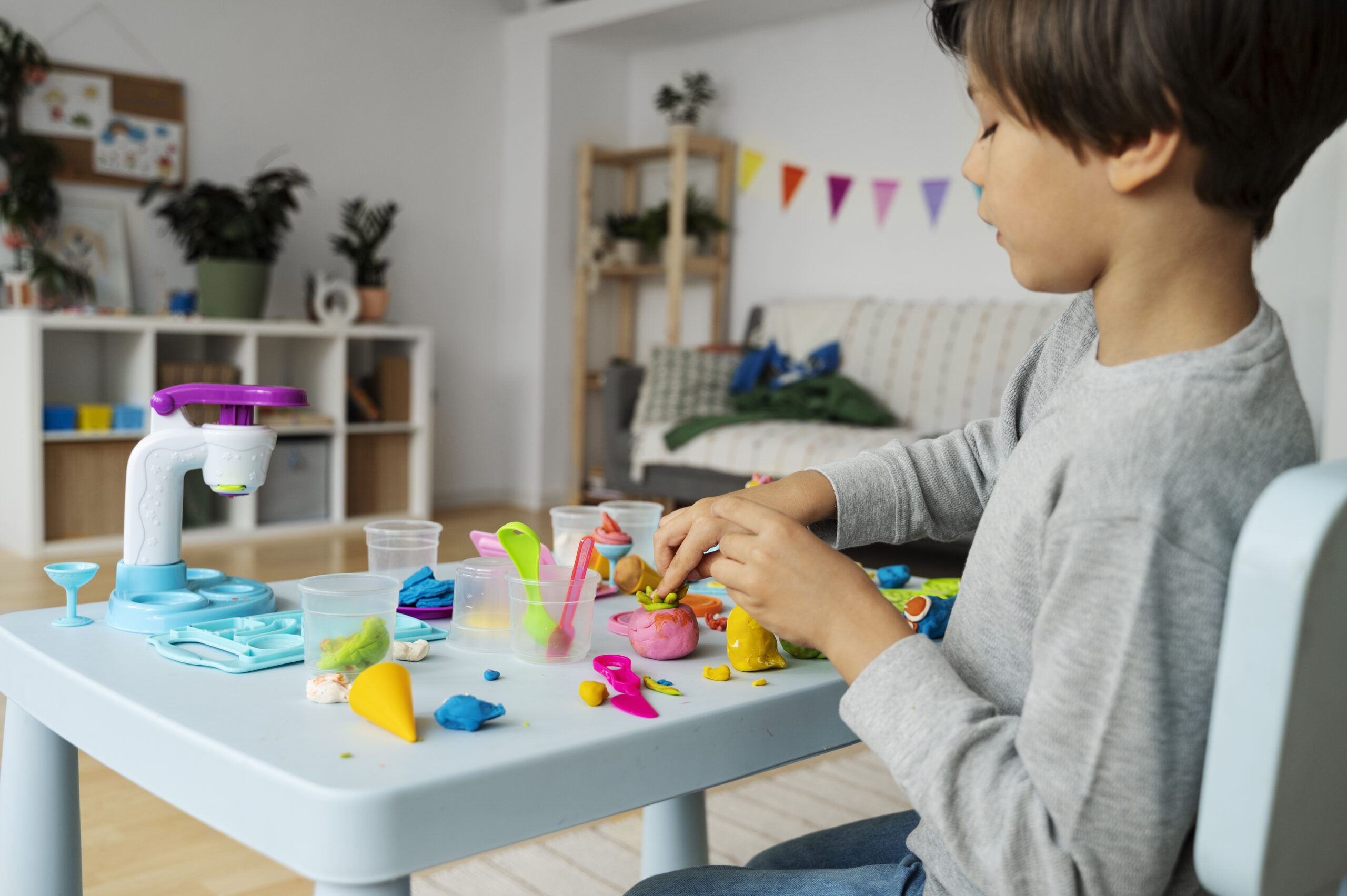
Tiny Toys, Big Life Lessons: Key Benefits Of Pretend Play
1. Understanding the world around them
Pretend play toys help children copy the everyday things they see, like cooking, shopping, cleaning, caring for a baby, or visiting the doctor. A toy kitchen can become a home, a café, a restaurant, or even a busy family dinner scene. Through these little play moments, children start to understand routines, roles, and real-life situations in a way that feels simple and fun.
2. Building language and communication skills
Pretend play gives children plenty of chances to talk, ask questions, answer back, and create little conversations. A child playing shopkeeper might say, “What would you like to buy?” or “That will be five dollars, please.” Without even realising it, they are practising new words, sentence-building, listening, turn-taking, and storytelling.
3. Encouraging imagination and creativity
Pretend play toys give children the freedom to create their own stories instead of following just one fixed way to play. A few toy animals can turn into a jungle adventure, while a cardboard box can become a rocket, castle, or delivery truck. This kind of open-ended play helps children think creatively and see that one toy can lead to many different ideas.
4. Supporting emotional development
Children often use pretend play to explore feelings they may not fully know how to explain yet. A doll may feel sad, a teddy bear may feel scared, or a toy patient may need comfort after a check-up. By acting out these moments, children practise recognising emotions, offering care, and understanding how to respond to others.
5. Teaching empathy and kindness
Pretend play lets children step into different roles, such as a parent, doctor, teacher, chef, customer, or friend. When they care for a doll, comfort a teddy bear, or help a “patient,” they begin to understand how someone else might feel. These small play scenes can gently teach kindness, patience, responsibility, and empathy.
6. Improving social skills
When children play pretend together, they learn how to share ideas, choose roles, and keep the story going. One child may be the shopkeeper while another becomes the customer, and together they practise waiting, asking politely, and responding to each other. These playful exchanges help children build cooperation, turn-taking, listening, and simple problem-solving skills.
7. Practising problem-solving
Pretend play is often full of tiny problems that children need to solve. The toy car might break down, the café may run out of food, or the baby doll may not stop crying. Because it all happens during play, children feel free to try ideas, change the story, and figure out what to do next.
8. Building confidence and independence
Pretend play lets children take charge in a safe and playful way. They can become the chef, doctor, teacher, builder, driver, or superhero, making choices and leading the story as they go. These moments help children feel capable, independent, and more confident about trying new things in real life.
9. Making learning feel natural
Pretend play can introduce early learning skills without making playtime feel like a lesson. A child pretending to run a grocery shop may practise counting, sorting, naming colours, and identifying different food items. A simple kitchen game can teach sequencing like wash, cut, cook, and serve, while toy cars can help children explore direction and speed.
10. Encouraging longer, deeper play
Good pretend play toys can keep children engaged because the story is always changing. A toy kitchen can be a breakfast counter today, a birthday party tomorrow, and a restaurant the next day. This makes pretend play toys great for repeated play because they grow with the child’s imagination.
11. Supporting screen-free play
Pretend play toys give children a hands-on way to stay busy without relying on screens. Instead of watching a story happen, children get to create the story themselves. They move, talk, think, build scenes, and use their imagination in a much more active way.
12. Connecting play with real-life skills
Many pretend play toys are based on familiar daily routines, which makes them easy for children to relate to. Toy kitchens, doctor kits, cleaning sets, dolls, tool benches, and play shops help children practise situations they may see or experience in real life. A child who has played doctor may feel less nervous at a clinic visit, while a child who has played shop may better understand choosing, waiting, paying, and saying thank you.
Choosing Pretend Play Toys Based On Your Child’s Interests:
-
For children who love caring
Dolls, soft toys, doctor kits, and baby care sets are lovely picks for children who enjoy looking after others.
-
For children who love food and home play
Toy kitchens, play food, and tea sets are perfect for children who enjoy acting out everyday home routines, from cooking a pretend meal and hosting a tea party to serving customers or tidying up like the grown-ups around them.
-
For children who love action and movement
Vehicles, rescue sets, construction toys, and action figures are great for children who enjoy fast-moving stories and hands-on play. They can race cars, build cities, save the day, fix problems, and create exciting adventures from start to finish.
-
For creative storytellers
Dollhouses, character figures, animal sets, and dress-up pieces work well for children who love making up stories. These toys give them characters, settings, and roles to play with, whether they are running a home, exploring a jungle, or becoming a superhero.
The best pretend play toys are the ones that match a child’s curiosity, not just traditional labels. Toys for girls can include vehicles, building sets, and doctor kits, while Toys for boys can include kitchens, dolls, soft toys, and tea sets too. Hence, when comparing Singapore toy stores, look for toys that support imagination, learning, and everyday play in a way that feels fun for your child. If you are looking beyond a LEGO store in Singapore, My Toy Shop offers a wider mix of pretend play toys, learning toys, building sets, and family-friendly options in one place.
Conclusion:
Pretend play may seem simple, but it plays a big part in how children learn, grow, and understand the world around them. The right toys can turn ordinary playtime into a fun learning experience that keeps growing with your child. Explore My Toy Shop today to find pretend play toys that spark creativity, build confidence, and make every playtime more meaningful.
Tags
- Pretend Play toys