Choosing Toys For Independent Play: What Keeps Kids Busy In A Good Way
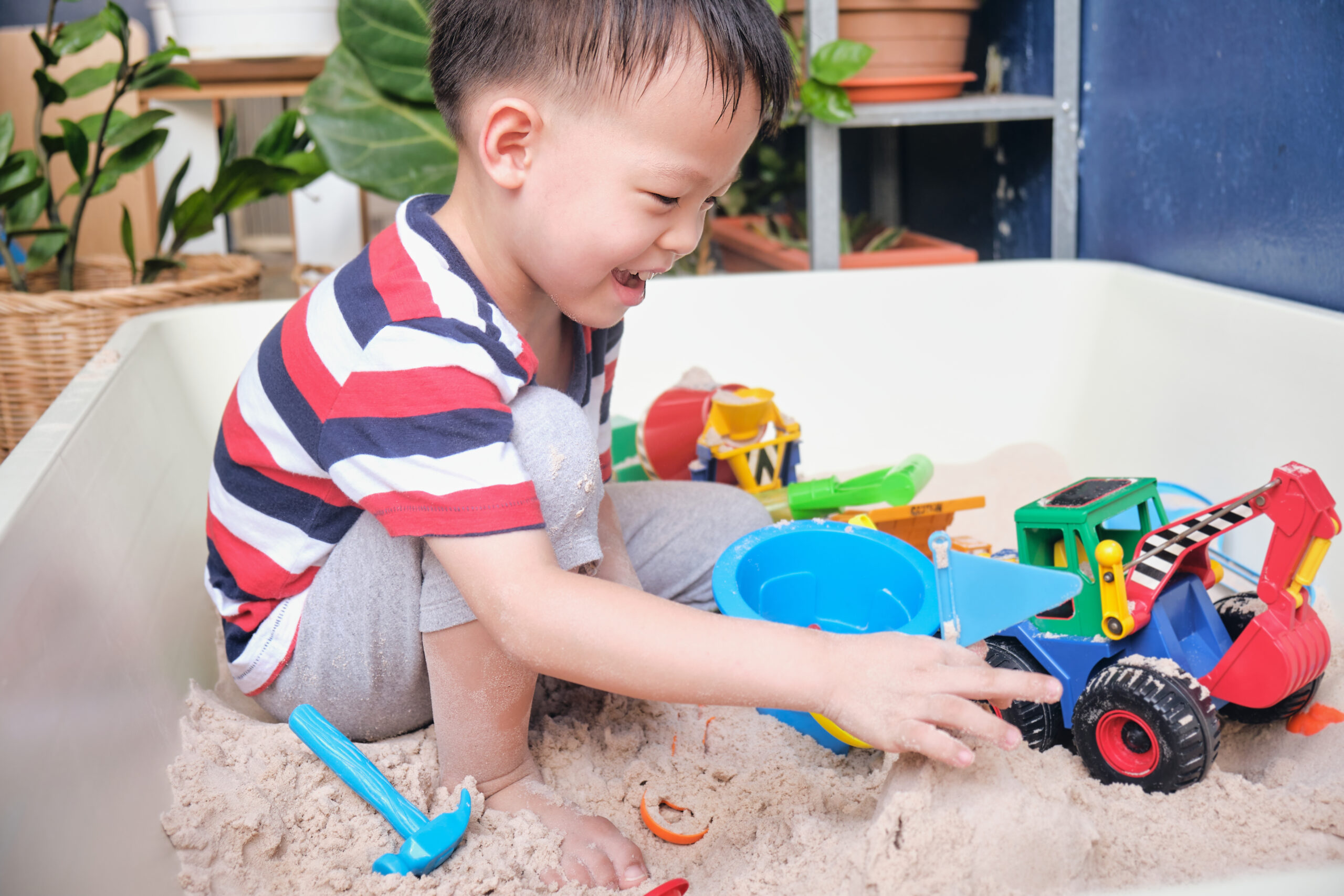
How Independent Play Supports Kids At Every Age And Stage:
1. For Toddlers: It Builds Hands-On Skills
-
It improves coordination.
Independent play encourages toddlers to use their hands, eyes, and body movements together with more control.
-
It strengthens fine motor skills.
It supports actions like gripping, pressing, placing, turning, sorting, and stacking, which help prepare little hands for everyday tasks.
-
It teaches trial and error.
It gives toddlers the freedom to try, wobble, miss, fix, and try again without pressure.
2. For Preschoolers: It Fuels Imagination
-
It creates room for storytelling.
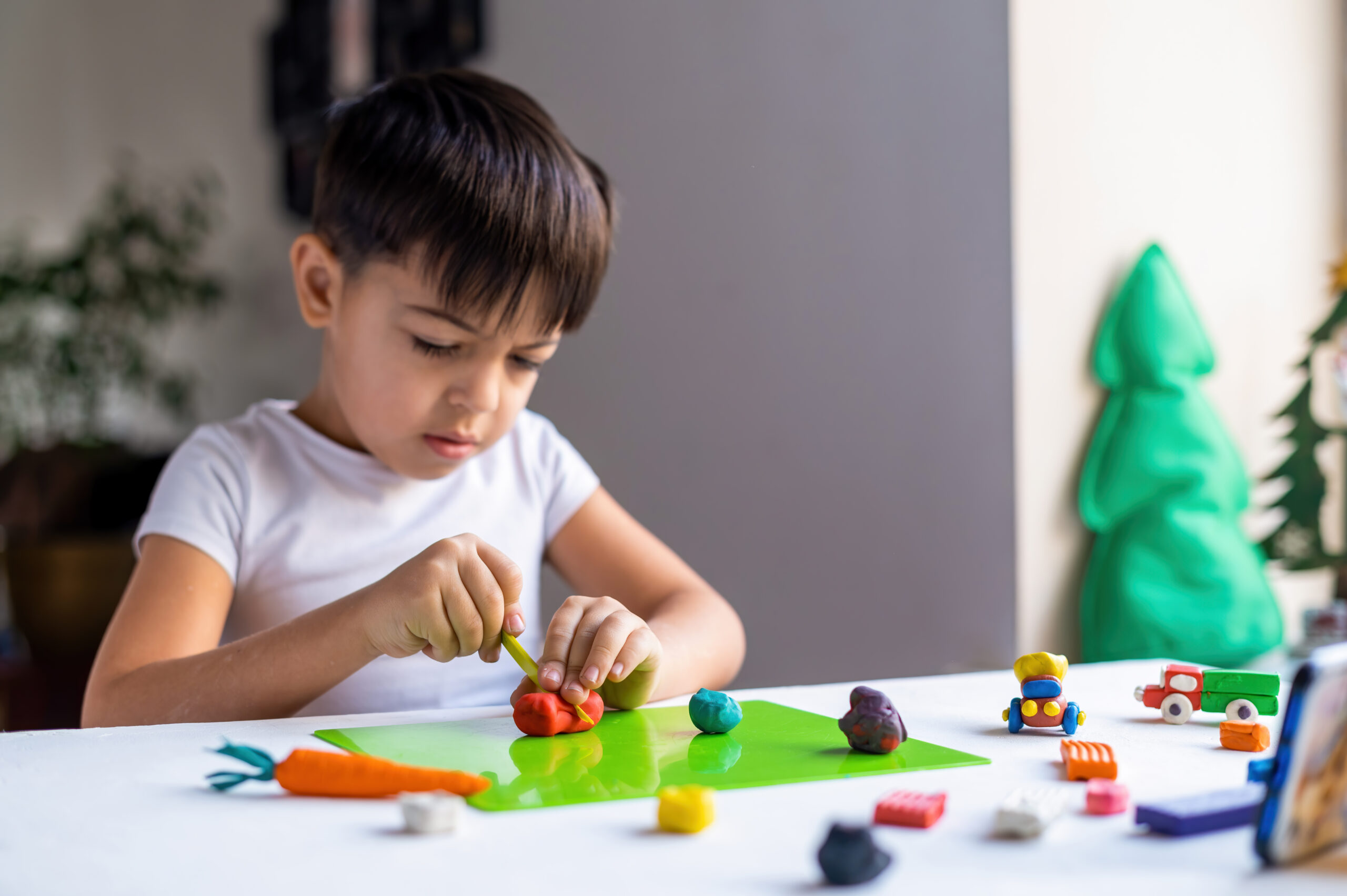
Independent play allows preschoolers to invent characters, scenes, adventures, and silly little worlds of their own.
-
It supports emotional expression
It gives children a safe space to show ideas, feelings, and thoughts that may be hard to explain out loud.
3. For Kindergarten-Age Children: It Builds Focus
-
It encourages concentration.
Independent play helps children slow down, pay attention, and stay with one activity for longer.
-
It supports goal completion.
It gives children the satisfaction of finishing a small task, whether that means completing a pattern, making something, or solving a challenge.
4. For Early Primary Kids: It Strengthens Problem-Solving
-
It encourages independent thinking.
Independent play gives children space to plan, test ideas, and make decisions without constant guidance.
-
It teaches flexibility.
It helps children adjust when something does not work the first time, instead of giving up straight away.
-
It builds confidence in decision-making.
It shows children that their own ideas can lead to real progress and satisfying results.
5. For Older Children: It Supports Personal Interests
-
It helps children discover what they enjoy.
Independent play gives older children time to explore interests, hobbies, creative projects, and challenges at their own pace.
-
It encourages self-expression.
It allows children to add personal style, make changes, set rules, and shape the activity in a way that feels like their own.
-
It gives a sense of achievement.
It helps children feel proud when they complete something through their own effort and ideas.
How to Choose Toys for Independent Play?
1. Choose toys that match your child’s age and stage.
A toy should feel just right for your child’s current abilities. If it is too simple, they may lose interest quickly. If it is too difficult, they may get frustrated and keep asking for help.
For toddlers, look for toys that involve stacking, sorting, fitting, pushing, pulling, or simple pretend play. For preschoolers, choose toys that support imagination, storytelling, matching, building, and hands-on creativity. For older children, go for puzzles, construction sets, craft kits, logic games, or activities that let them work through a challenge on their own.
2. Look for toys that are easy to start.
Independent play works best when children can begin without needing a long explanation. A toy with too many rules, tiny parts, or complicated steps may need constant adult guidance.
The ideal toys are the ones that have a clear starting point. A child can pick up blocks and start building, open a puzzle and begin matching, or use a pretend play set to create a story right away. The easier it is to begin, the more likely children are to stay engaged.
3. Pick open-ended toys that can be used in many ways.
Open-ended toys are great because there is no single “correct” way to play. Children can use them differently each time, which keeps play fresh and exciting.
Building blocks can become a tower one day and a zoo the next. Magnetic tiles, such as Magna-Tiles, are also great for little hands because they are easy to grip, connect, and turn into houses, roads, rockets, animals, or anything your child imagines. With pretend play items, children can create their own little worlds, whether it’s a shop, kitchen, hospital, classroom, or exciting story scene. These kinds of toys give children room to lead the play in their own way.
4. Choose toys that encourage problem-solving.
The right toys are the ones that give children small challenges they can work through by themselves. These little moments help build patience, focus, and confidence.
Puzzles, shape sorters, building sets, memory games, matching activities, and STEM-style kits are good options because they push children to think, test, adjust, and try again. For older children, CADA building block sets, much like LEGO, can be a great choice because they encourage planning, step-by-step thinking, problem-solving, and the satisfaction of creating something they can be proud of.
5. Think about your child’s interests, not just labels.
Children are more likely to play independently when the toy connects with something they already enjoy. Some children love animals. Some enjoy vehicles. Some like pretend cooking, building, drawing, music, puzzles, or science activities.
Instead of choosing based only on categories like toys for boys or toys for girls, focus on what your child is naturally drawn to. A child who loves stories may enjoy pretend play. A child who likes taking things apart may enjoy construction sets. A child who loves colours may enjoy craft kits or creative activities.
6. Avoid toys that do all the work.
If the toy does everything on its own, the child may become more of a watcher than a player. For independent play, look for toys that need the child to do something. Can they build with it? Sort it? Pretend with it? Create something? Solve something? Move pieces around? The more active the child’s role is, the better the play experience tends to be.
7. Choose toys that support longer play.
Some toys only hold attention for a few minutes, while others invite children to stay involved for longer. For independent play, you must choose toys that have layers.
For example, a child may first build a house, then add people, then create a story, then rebuild it into a shop. A craft kit may start with colouring, then decorating, and then displaying the finished piece. Toys that allow children to keep adding, changing, and extending the activity are often better for longer play sessions.
8. Keep safety and independence in mind.
A toy may be fun, but it still needs to be safe and suitable for your child to use with limited help. This is especially important for toddlers and preschoolers.
Before making a purchase, check the recommended age range, avoid small parts for younger children, and choose toys made from safe, sturdy materials. Also, think about whether your child can clean up or pack away the toy after the play session is over.
The best toy is one your child can easily enjoy during everyday routines, so think about where and when independent play naturally happens at home. For short play sessions, choose simple toys that are quick to set up and pack away. For weekends or longer afternoons, choose activities with more steps, such as craft kits, larger builds, or pretend play setups.
Children naturally show what keeps them engaged, as the activities they revisit usually have the right balance of fun and challenge. Pay attention to what keeps them focused. Do they like building tall structures, making up stories, solving puzzles, or creating themed worlds with sets like Star Wars LEGO? So, before searching for “toy shops near me,” take time to explore which toys best suit your child’s age, interests, available space, and daily routine.
Quick Tips To Make Independent Play Last Longer:
- Rotate toys instead of leaving everything out at once: Keep only a few toys available at a time and swap them every few days so old favourites feel fresh again.
- Set up a small play corner or basket: Create a simple, easy-to-reach play space where your child can quickly choose an activity without feeling overwhelmed.
- Start the play, then step back: Help your child begin with a simple idea, then slowly move away so they can take the lead.
- Praise effort, not just the final result: Notice the thinking, trying, building, fixing, and imagining your child does during play, not only what they finish.
Conclusion:
Independent play is one of the simplest ways to help children build confidence, creativity, focus, and problem-solving skills while having fun on their own. When you choose toys that suit your child’s age, interests, and daily routine, playtime becomes easier, more engaging, and rewarding. Browse My Toy Shop today for toys that spark creativity, support learning, and keep kids busy in the best possible way.
Tags
- Toys For Boys, Toys For Girls